

SEER2 is the updated efficiency rating that replaced SEER in 2023. It measures the same seasonal cooling efficiency but tests equipment under higher airflow resistance that better reflects real ducts, so the same unit scores a bit lower on SEER2 than it did on SEER.
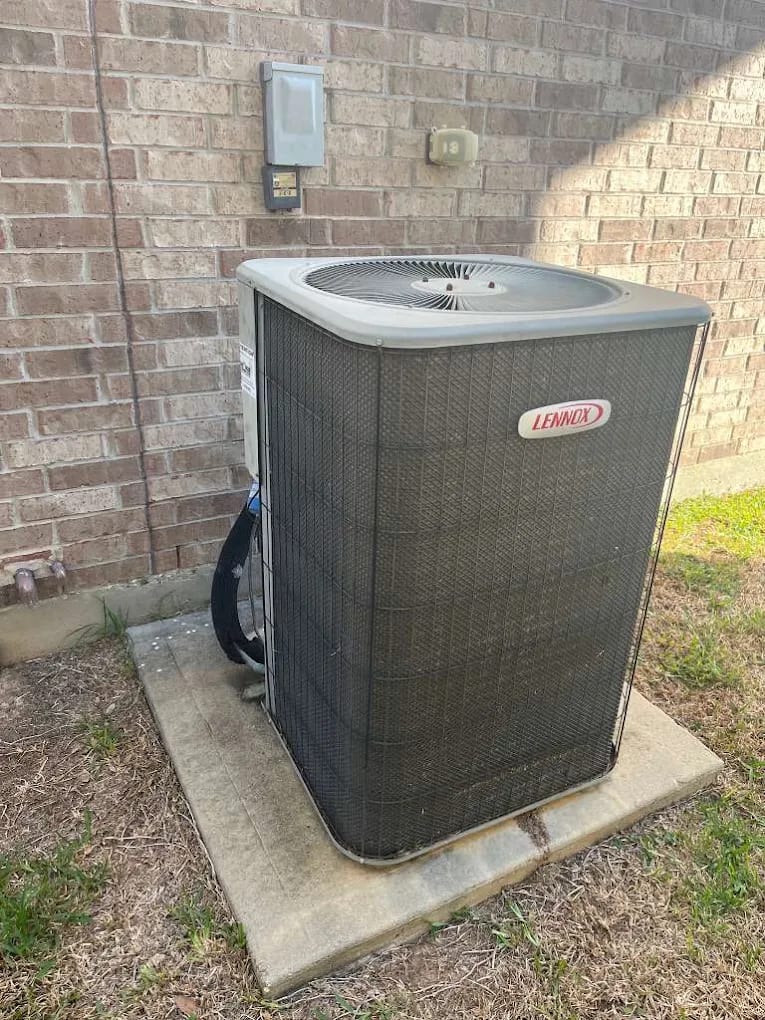
What SEER measures
SEER stands for Seasonal Energy Efficiency Ratio. It compares the cooling a system delivers over a typical season, measured in British thermal units, with the electricity it uses, measured in watt-hours. A higher number means more cooling per unit of electricity. It is a lab rating, not a prediction of your bill, because real efficiency depends on your home, ducts, installation quality and climate.
What changed with SEER2
The U.S. Department of Energy updated the test procedure, and starting in 2023 ratings are reported as SEER2. The key change is the external static pressure used during testing. Under the old SEER test, the air handler worked against about 0.1 inches of water column of resistance, which is lower than most real duct systems. SEER2 tests at 0.5 inches of water column, which is closer to what systems face in homes with filters, coils and ductwork.
Because the new test is tougher, the same piece of equipment gets a lower number. As a rough conversion, a SEER rating multiplied by about 0.95 gives an approximate SEER2 rating for split-system air conditioners, though the conversion varies by product. Heat pump heating efficiency is similarly updated from HSPF to HSPF2, and the cooling-capacity efficiency rating EER becomes EER2.
Current minimum standards
Federal minimums depend on region and equipment type. The Department of Energy defines regional standards, and Texas currently falls in the southern region. For split-system air conditioners under 45,000 Btu per hour in that region, the minimum is currently 14.3 SEER2. In the northern region the minimum is lower, at 13.4 SEER2, which is roughly equivalent to the older 14 SEER. Heat pumps follow a national minimum, which is currently 14.3 SEER2 for split systems along with a minimum HSPF2. Standards and effective dates can be updated, and equipment installed in a given year follows specific rules, so confirm current requirements with your contractor.
Quick comparison
- Test pressure: SEER used about 0.1 in. w.c. external static pressure, SEER2 uses 0.5 in. w.c.
- Numbers: the same equipment rates roughly 4 to 5 percent lower on SEER2.
- Meaning: SEER2 is a more realistic comparison, but still a lab rating.
- Labels: new equipment is labeled with SEER2, while you may still see SEER on older units and ads.
Does a higher SEER2 save money?
In general, yes, but with diminishing returns. Moving from an older 10 SEER system to a modern 14 to 16 SEER2 system can make a significant difference, while the extra savings from jumping from 16 to 20 are smaller and may take longer to repay the higher price. Your savings also depend on duct leakage, correct refrigerant charge, proper airflow and how many hours per year your system runs. With a long cooling season, Houston homeowners do see more benefit from efficiency than owners in milder climates.
What else matters as much as the rating
- Correct sizing based on a Manual J load calculation, not the size of the old unit.
- Single-stage, two-stage and variable-speed operation. Multi-stage and variable-speed units generally handle humidity better, which matters in this climate.
- Matched indoor and outdoor components. Efficiency ratings apply to specific matched combinations.
- Duct condition. Leaky or restricted ducts can erase efficiency gains.
- Installation quality, including airflow, refrigerant charge and a clean system.
- Warranty terms and what registration requires.
Ask any contractor to show you the AHRI certificate for the exact indoor and outdoor combination being quoted, and to explain the SEER2 and EER2 ratings. Confirm that the equipment meets the current minimum for your region, and that the contractor is licensed in Texas. Do not rely on a rating printed on an outdoor unit alone.
How to compare quotes
- 1Ask each contractor for the model numbers, the SEER2 rating and the capacity of every component quoted.
- 2Make sure each quote is based on a load calculation rather than a guess.
- 3Compare both stages of operation, such as single-stage, two-stage or variable-speed.
- 4Ask what is included: permits, ductwork repairs, thermostat, warranty and haul-away.
- 5Compare total cost and expected annual operating cost, not just the SEER2 number.
Should you worry if your system says SEER?
No. A system labeled with a SEER rating was built under the older standard and is not illegal or defective. The rating simply used a different test. If you are replacing an older system, though, compare new equipment on SEER2 and use the same test method for each option you are considering.
Common Follow-Up Questions
Related Upfront AC Services
Explore our relevant HVAC services, published flat-rate repair menu, or request a free replacement estimate:
Allen Swindell — Founder & Lead HVAC Technician
Allen Swindell brings over 15 years of hands-on HVAC trade and oilfield mechanical experience to homeowners and businesses in Tomball, Cypress, and Greater Houston. Texas TDLR License TACLA133609C.
Need a Licensed HVAC Technician in Greater Houston?
Call (713) 819-7908 for upfront diagnostic and repair service, or request a free estimate on a system replacement.